


In an increasingly competitive environment, the efficiency of the industrial painting process directly impacts operating costs, product quality, and factory productivity.
Small savings in paint, energy, labor, and rework can add up to significant amounts over the course of a year.
The good news is that implementing the right technologies can reduce waste and significantly improve operational performance.

1. Automate Process Control
Automated painting lines ensure repeatability, stability, and standardization.
By automatically controlling parameters such as temperature, speed, pressure, and processing time, it is possible to reduce variations and improve the final quality.
2. Monitor Metrics in Real Time
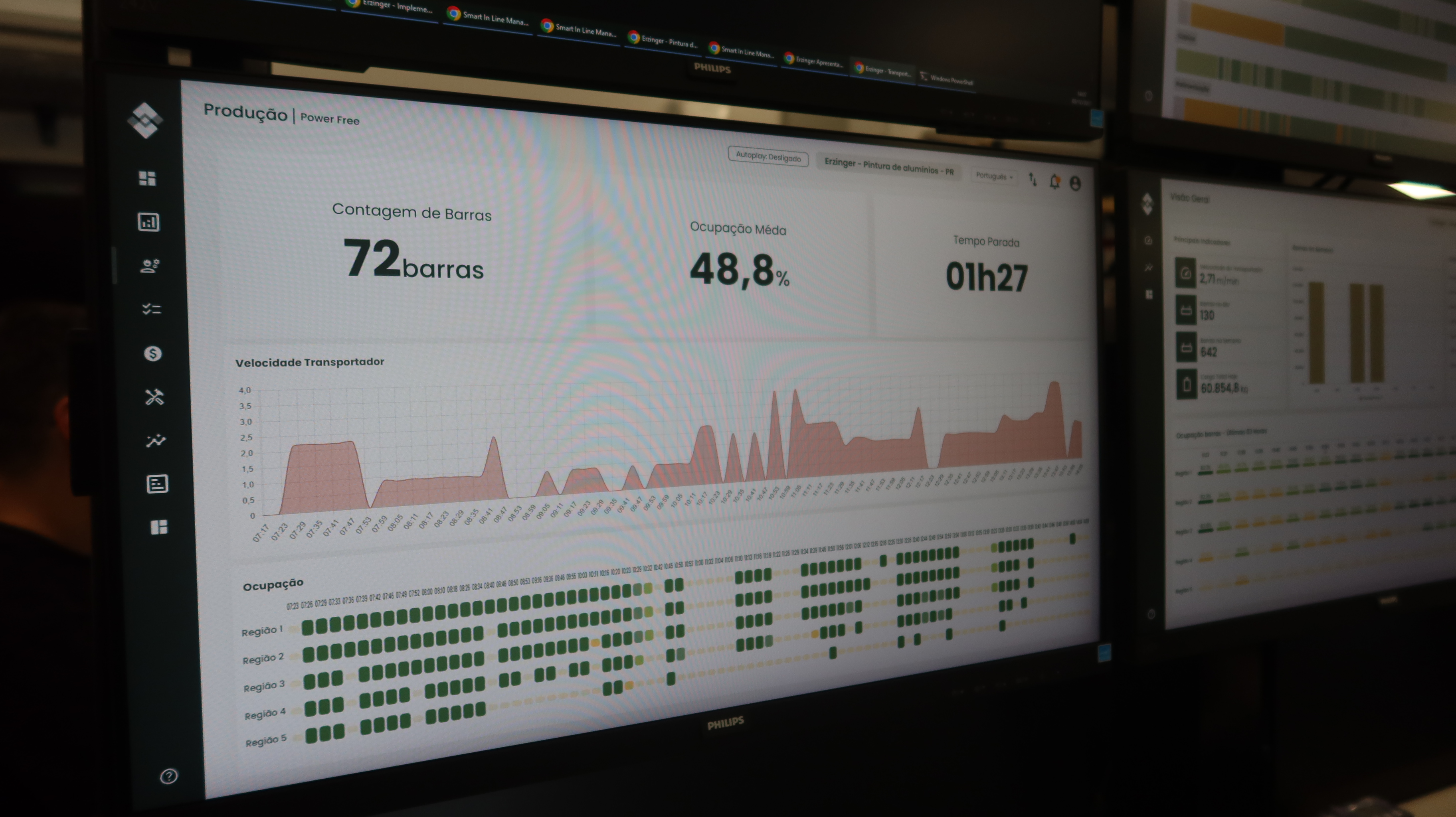
Online monitoring of metrics such as paint consumption, energy usage, productivity, and rework rates allows for the rapid identification of deviations and the implementation of preventive measures.
Systems such as Smart in Line, developed by Erzinger, provide complete visibility into the operation.
3. Reduce rework
Paint defects result in high hidden costs.
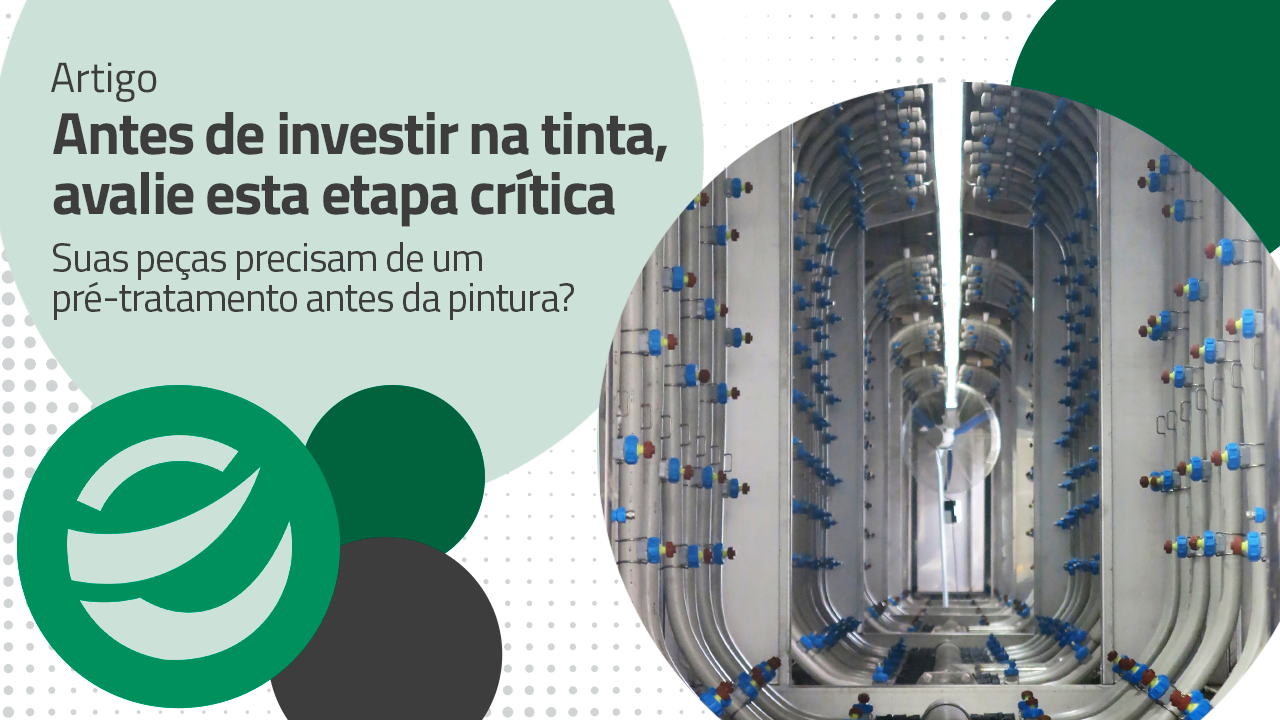
Appropriate pretreatment, drying, and application technologies help minimize defects and ensure greater consistency in the finish.
4. Ensure Full Traceability
Traceability allows you to track the history of each part and accurately identify the causes of deviations, facilitating audits and continuous improvement.
5. Evaluate the Return on Investment
Modernization projects often offer attractive financial returns, with gains in productivity, reduced waste, and lower operating costs.
Profit Opportunity
Companies that invest in industrial painting technology are able to:
- Reduce ink and supply consumption;
- Reduce scrap and rework;
- Increase productivity;
- Improve traceability;
- Make decisions based on data.
Conclusion
Industrial painting is no longer just a step in the production process; it has become a key driver of competitiveness.
With automation, monitoring, and data analytics, it is possible to transform the process into a consistent source of operational and financial gains.